 REQUEST AN
Once a root canal clears out the infection and the throbbing stops, it’s natural to wonder if you need anything else. A crown after root canal treatment is one of the most common next steps dentists suggest, but it also means another visit and another cost.
So when patients ask, “Is a crown necessary?” at this point, the honest answer is that it depends on the tooth and how much of it is left.
What a Root Canal Fixes and What It Leaves Behind
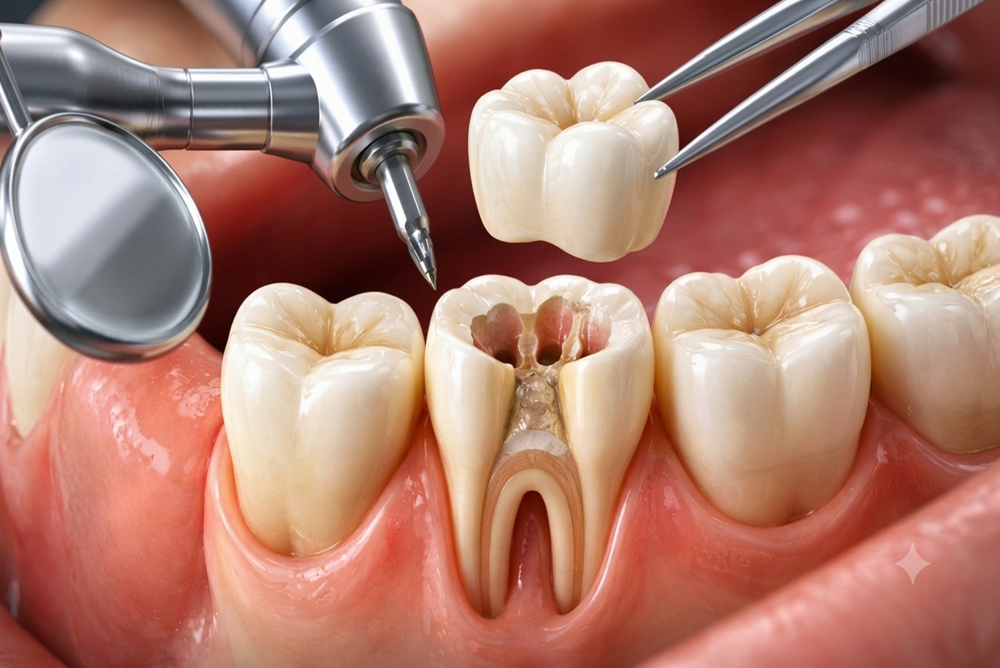
A root canal treats the inside of the tooth. The pulp in the centre contains nerves and blood vessels, and when decay, a crack, or an injury lets infection in, that tissue has to be removed. If you are looking for root canal therapy near you, keep in mind that this step clears the infection, not the damage that came before it.
That damage is easy to forget. A tooth that needs a root canal has often been through a deep cavity, a large old filling, or a fracture. Opening the tooth to reach the canals also removes more of its inner structure.
Why a Treated Tooth Is More Likely to Break
Without its pulp, a tooth loses its blood supply and may slowly grow more brittle as time goes by. The hollow shape means thinner walls to cope with chewing. This is why root canal tooth protection matters, since a deep crack can leave a treated tooth beyond saving.
Back teeth take most of the force when you chew, so molars and premolars usually gain the most from extra coverage. A front tooth with very little damage may not always need a crown, but your dentist makes that call.
What You Gain by Covering the Tooth
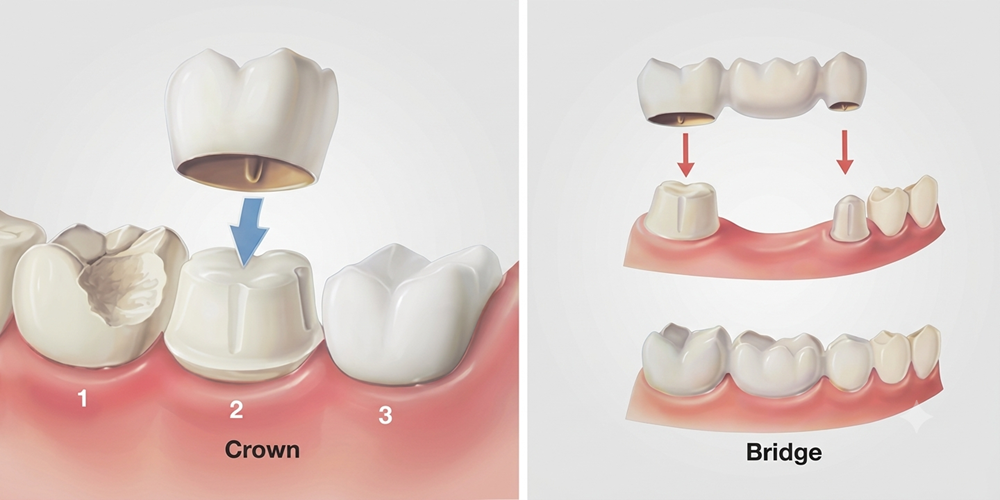
A crown is a custom-made cap that covers the whole visible part of a tooth. The main root canal crown benefits include:
- Holding a weakened tooth together so it’s less likely to crack
- Restoring normal chewing and biting
- Blending in with your natural teeth when made from porcelain or ceramic
- Lasting about 10 to 15 years with good care, depending on the material
Is a Full Crown Always the Answer?
Not every time. When enough of the tooth is still intact, an onlay might work instead. It covers only part of the tooth, including the cusps, so more natural structure stays in place. A dentist at a dental clinic in Strathcona residents trust can tell you if your tooth qualifies.
Skipping a restoration entirely is the riskier path. A cracked tooth may need to be pulled, and replacing it with a bridge or implant tends to cost more than protecting the one you have. If you are looking for a dental clinic near you, ask about all your options before you decide.
What Getting the Crown Involves
Placing a crown is non-surgical and usually follows a few simple steps:
- Your dentist examines the tooth and confirms the right restoration.
- The tooth is shaped to accommodate the crown.
- Impressions are taken so the crown fits your bite.
- A temporary crown protects the tooth while the permanent one is made.
- The final crown is fitted, adjusted, and secured.
Looking After Your Crowned Tooth
A crown shields the tooth but doesn’t make it immune to problems. Even though a crowned tooth is protected, the portions outside still get cavities. Thus, brushing, flossing, and regular check-ups still apply.
Go easy on hard, sticky, or crunchy foods like ice, nuts, and candy at first. If the crown ever feels loose or your bite seems off, book a visit so the fit can be checked early.
Protect the Tooth You Worked to Save
A root canal saves the tooth, and a crown helps it stay that way. A quick talk with a dentist will tell you what your tooth needs.
Book an appointment with Strathcona Dental Choice to find out if a crown is the right next step for your smile.
FAQs
My old root canal tooth never got a crown. Should I worry?
Not necessarily, but a tooth without a crown may be more vulnerable to cracks or damage. Ask your dentist to examine it and determine whether a crown is needed.
What happens if my crown chips?
Minor chips may be repaired with dental bonding or resin. However, larger chips or significant damage may require a crown replacement.
Can the Canadian Dental Care Plan help with the cost?
Yes, eligible patients may receive coverage for certain dental crown procedures. Coverage depends on your eligibility and plan guidelines, so confirm your benefits before starting treatment.