 REQUEST AN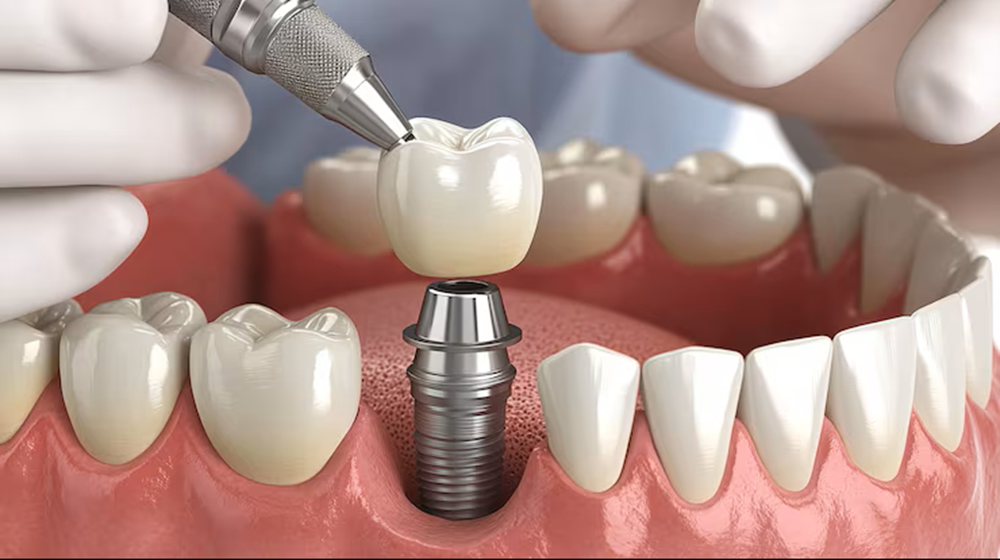
Are you thinking about dental implants but worried about the risks? Many people looking for dental implants want to know the pros and possible problems before deciding. Dental implants are a strong and reliable way to replace missing teeth, but like any treatment, they can have some risks that you should understand and manage.
Knowing what problems can occur during implants? helps patients prepare better and take steps to prevent complications. With the right care and professional guidance, most risks can be avoided, leading to long-lasting and successful results.
What are Dental Implants?
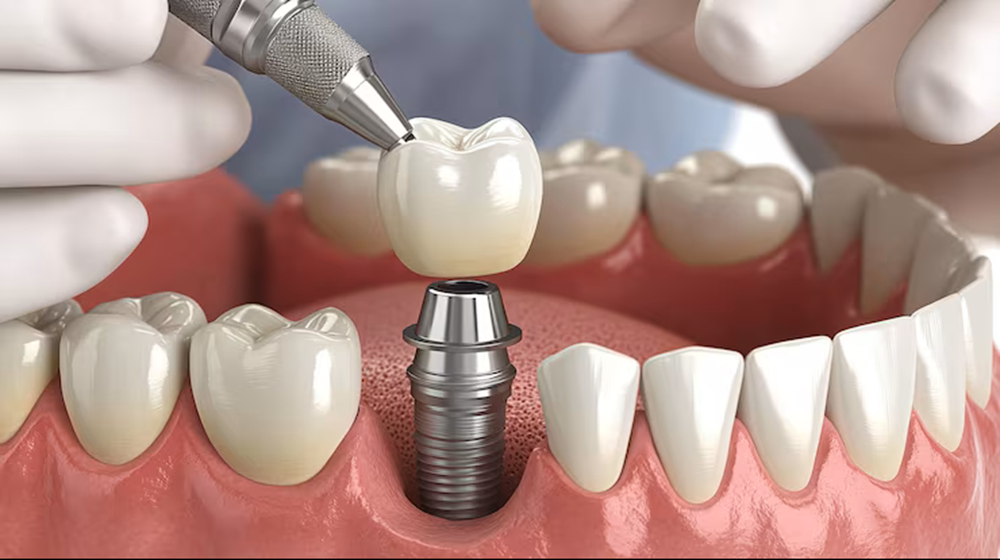
Dental implants are small posts placed into the jawbone to support replacement teeth. They act like natural tooth roots and provide a strong base for crowns, bridges, or dentures.
If you are looking for dental implants near you, this option gives you a stable, comfortable, and natural-looking smile. Implants also help keep your jawbone strong and prevent changes in your facial shape.
What Problems Can Occur During Implants?
Want to know what problems can occur during implants? It’s important to understand so you can make smart choices.
Most implant procedures are safe, but some possible issues are:
- Infection where the implant is placed
- Swelling or pain after the procedure
- Damage to nearby teeth or gums
- Implant not joining well with the bone.
- Minor bleeding or gum irritation
These problems are rare and can usually be fixed with good care and early treatment.
Common Risks of Dental Implants
Even though implants have a high success rate, certain risks should be considered:
- Infection: Not keeping your mouth clean can cause an infection around the implant
- Bone loss: If the implant doesn’t heal properly, the bone can get weak
- Nerve problems: Rarely, nearby nerves can be affected
- Implant failure: The implant may not attach well to the bone
Most of these risks can be reduced by choosing an experienced dental provider and following care instructions carefully.
How to Prevent Implant Complications
Taking care of your implant is very important for success. Simple steps can help prevent problems:
- Brush and floss every day
- Avoid smoking, as it slows healing.
- Follow your dentist’s instructions.
- Visit the dentist regularly.
- Eat soft foods while healing.
These habits help your implant heal well and last a long time.
Importance of Professional Care
Receiving treatment from a reliable dental clinic helps ensure everything goes smoothly. Skilful and experienced dentists use the latest tools to lower the risks and get better results.
A thorough examination helps the dentist near you know if implants can help you and whether you are right for them. This step prevents problems before they even arise.
Signs of Implant Problems to Watch For
Recognizing early warning signs can help prevent serious issues. Patients should contact their dentist if they notice:
- Ongoing pain or swelling
- Difficulty chewing
- Loose implant or crown
- Red or bleeding gums around the implant
- Unusual discomfort after healing
Early detection allows for quick treatment and better results.
Long-Term Care for Dental Implants
Taking care of your implant after healing is very important. Long-term care includes:
- Brush your teeth twice a day with a soft toothbrush.
- Floss gently around the implant
- Use dental products your dentist suggests
- Visit the dentist regularly for check-ups.
These simple steps help keep your implants strong and healthy for many years.
Experience Advanced Care for Lasting Results!
Protect your smile with safe and trusted dental implant care. Book a visit at Strathcona Dental Choice to learn about possible risks, how to prevent them, and get advice made just for you. Take the next step toward a healthy, strong, and confident smile that lasts!
FAQs
What problems can happen with dental implants?
Some issues can include infection, swelling, slight pain, or the implant not joining well with the bone. But these problems are not common and can usually be treated with good care and regular dental visits.
How can implant failure be prevented?
Implant failure can be reduced by maintaining good oral hygiene, avoiding smoking, following all aftercare instructions, and attending regular dental check-ups for monitoring and support.
How long does it take to recover from implants?
Recovery time is different for everyone, but usually it takes a few months for the implant to join with the bone and become strong.
Can anyone get dental implants?
Most people can get implants, but the dentist needs to check your bone, gums, and overall health to make sure implants will work for you.