 REQUEST AN
Tooth loss is more than an appearance issue; it will affect how you chew, speak and feel about yourself. You feel embarrassed at smiling or feel frustrated while eating, and a missing tooth can also quietly erode your self-confidence and oral health.
Are you looking for a long-term solution that can help you improve the concern? If yes, then dental implant treatment in Strathcona may be the way to go, but not everyone is eligible for the procedure.
Understanding how to determine whether or not an individual is a good candidate is the key before undertaking this significant procedure.
This blog will walk you through the key considerations and assist you in taking the first step towards having your smile back.
What Are Dental Implants?
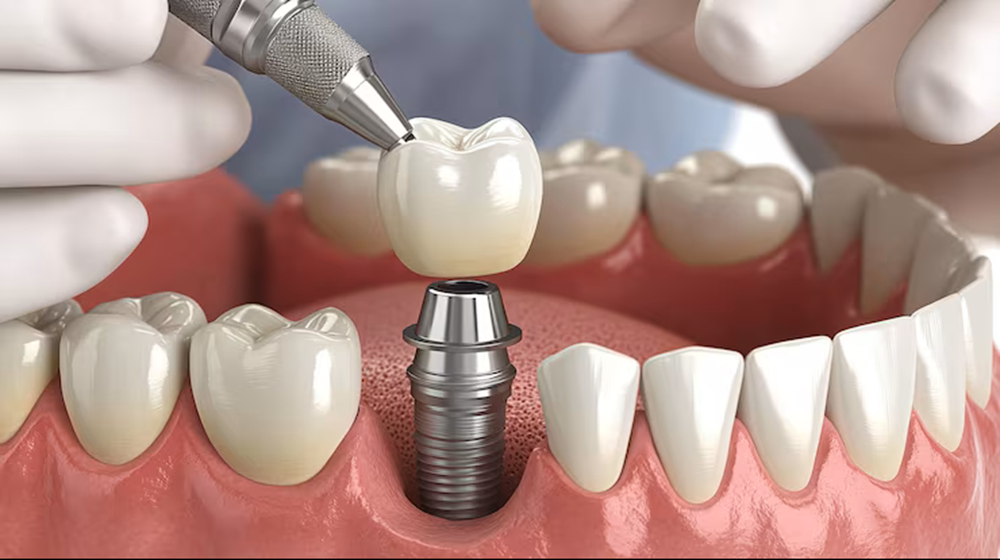
Dental implants are metal posts, most often titanium, placed in your jawbone through surgery. Over the post, a crown, bridge, or denture is fitted, replacing your missing tooth in both form and function to give it a natural feel, making it solid and firm.
As opposed to bridges or dentures that sit on the surface, implants grow into your jawbone and offer permanent support; that’s why they are such a favourite and permanent solution to tooth loss.
Who Can Get Dental Implants?
Before getting dental implants, it is important to understand whether you are a good candidate for dental implants. Check the following criteria:
- Healthy Gums and Bone: Your gums should be free from disease, and you need enough jawbone to support the implant.
- No Ongoing Smoking or Heavy Drinking: Habits like smoking or drinking can slow down healing and lower your chances of success.
- Overall Good Health: Conditions like uncontrolled diabetes or autoimmune disorders can affect recovery.
- Age: Implants are best for adults whose jawbones have finished developing.
- Commitment to Dental Care: Good hygiene and regular dental visits are important for implant success.
What If I’ve Lost Bone in My Jaw?
If your tooth has been missing for a while, your jawbone may have shrunk in that area, but that doesn’t automatically mean implants are off the table.
You might be able to get a bone graft. This is a small procedure where extra bone material is added to build up the area before placing the implant. A dentist will check your X-rays and scans to see if this is needed.
What Makes Someone Not a Good Candidate?
After understanding who is a candidate for dental implants, it is also necessary to understand who is not a good candidate for implants.
Dental implants won’t be recommended to you if:
You may not be ready for implants if:
- You have untreated gum disease or tooth decay
- Your jawbone is too thin or weak, and you can’t get a graft
- You’re undergoing chemotherapy or radiation near the mouth
- You grind your teeth at night (though a nightguard may help)
These issues don’t always mean a hard no, but they’ll need to be managed before moving forward.
Why Is a Dental Consultation So Important?
An in-person exam is the only way to know if implants are right for you. At a dental clinic near you, the dentist will:
- Review your medical history
- Check your bone levels with imaging
- Look for signs of gum disease
- Talk to you about lifestyle habits
- Plan treatment that fits your needs
Skipping this step or relying only on what you read online can lead to disappointment or failure later on.
Are Implants Better Than Dentures or Bridges?
It depends on your goals. Implants offer many advantages:
- Long-term solution (can last 15+ years)
- Feel and function like natural teeth
- Protect the surrounding teeth and jawbone
- No slipping or adhesives needed
However, they do require surgery, more healing time, and may cost more upfront. Your dentist will help you weigh the pros and cons based on your dental health.
How Long Does It Take to Get Implants?
From start to finish, the full process can take several months. It usually involves:
- Consultation and planning
- Implant placement
- Healing time (3–6 months)
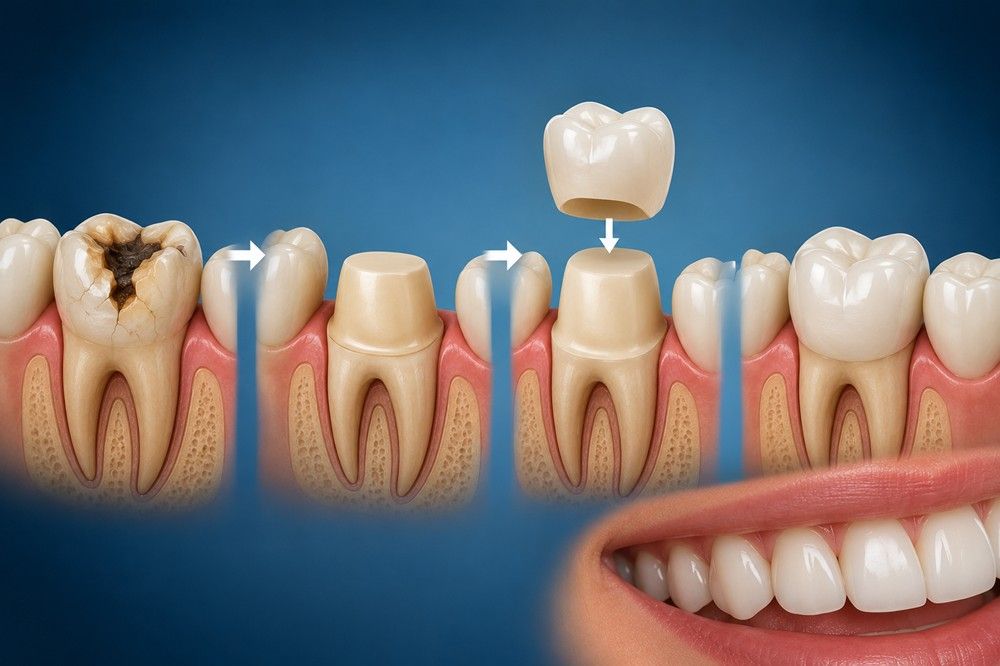
- Crown or denture placement
- Although it takes time, the final results are worth the wait for most patients.
Wrapping Up!
Putting off treatment can lead to more bone loss, shifting teeth, or even chronic oral pain. The longer you wait, the harder it may be to restore your natural bite and smile.
If you’re unsure where you stand, getting clarity now can save you years of discomfort and expensive corrective procedures later.
Don’t Wait Until It’s Too Late
Take the first step toward restoring your confidence and comfort; book a consultation today with the experienced team at Strathcona Dental Choice. Our compassionate care and modern techniques make the process easier than you think.