 REQUEST AN

While dental professionals always prioritize preserving your natural teeth, there are situations where removing a tooth is the best way to protect your overall oral health. If you have been experiencing severe discomfort or preparing for specialized dental work, you might wonder: What are the most common reasons for tooth extractions? Understanding why a tooth needs to be removed can help ease anxiety and empower you to make informed decisions about your treatment options.
Severe Decay, Infection, and Fractures
Modern dentistry’s main objective is to restore damaged teeth with treatments including root canal therapy, crowns, and tooth-colored fillings. However, a tooth may become irreparable if structural deterioration spreads below the gum line and decay or physical trauma penetrates deeply into the inner pulp chamber.
When structural collapse or active infection threatens nearby teeth and the jawbone, seeking painless tooth extractions near you ensures the problem area is removed safely before major consequences arise.
Overcrowding and Impacted Wisdom Teeth
Extensive decay is not the only reason a tooth may need to be removed. Spatial and developmental issues are also frequent causes for clinical extractions:
- Impacted Wisdom Teeth: Wisdom teeth (third molars) often lack sufficient space to emerge properly. They can become impacted within the jawbone, emerging at awkward angles that lead to pain, swelling, cyst formation, or damage to adjacent molars.
- Orthodontic Preparation: Extractions may be necessary for patients receiving orthodontic treatment to address severe overcrowding. The space required for aligners or braces to realign the remaining teeth is created by removing one or more strategically placed teeth.
- Advanced Periodontal Disease: Severe gum disease weakens the bone support holding tooth roots in place. As bone loss progresses, teeth become mobile and may need to be removed to manage infection.
Visiting a trusted dental clinic in Strathcona that patients rely on allows your clinical team to take detailed digital X-rays and evaluate whether an extraction is the most effective approach for your long-term smile health.
What to Expect During the Extraction Recovery
The goal of contemporary dentistry procedures is to optimize patient comfort. In order to ensure that you experience pressure rather than severe pain during the extraction, local anesthetic is utilized to thoroughly numb the area surrounding the tooth.
Following these easy post-operative guidelines after your surgery guarantees a predictable and easy recovery:
- Protect the Blood Clot: Avoid drinking through a straw, smoking, or rinsing forcefully for the first 24 hours to keep the protective blood clot intact in the socket.
- Manage Swelling: Apply a cold compress to the outside of your cheek in 15-minute intervals to reduce mild swelling and discomfort.
- Stick to Soft Foods: Choose room-temperature, soft foods like yogurt, mashed potatoes, and lukewarm soups until chewing becomes comfortable.
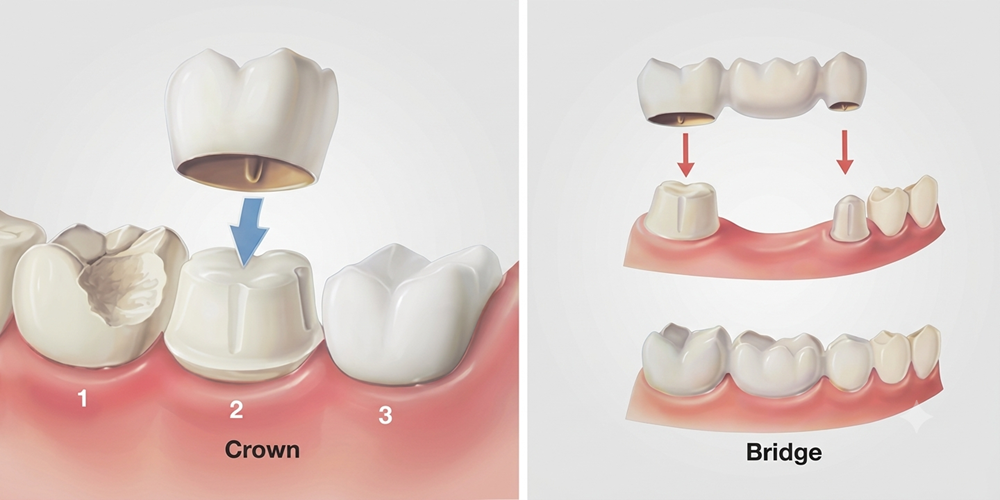
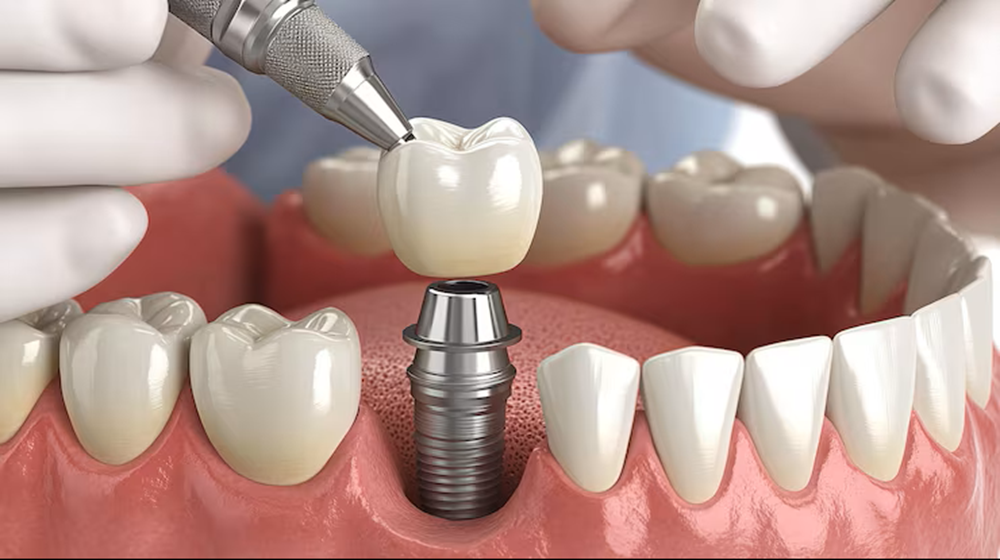
Partnering with an experienced dental clinic near you ensures you receive thorough follow-up care and guidance on options for replacing missing teeth, such as dental implants or bridges.
Protect Your Oral Health with Expert Care
Removing a compromised or problematic tooth is often the first essential step toward relieving pain, stopping infection, and restoring function to your smile.
If you are experiencing tooth pain or have questions about a recommended removal, contact Strathcona Dental Choice today to schedule your evaluation.
Frequently Asked Questions
Does getting a tooth pulled hurt?
No. Your dentist will completely numb the area first. You’ll feel some pressure as the tooth is loosened, but you shouldn’t feel any pain.
How long does recovery take?
Your gums usually heal in 7 to 10 days. The bone underneath takes a few months to rebuild fully.
What happens if I don’t get the tooth pulled?
Leaving a damaged or infected tooth can cause the infection to spread to your jaw, nearby teeth, or body. This can lead to severe swelling, painful abscesses, and serious health risks.
How soon can I replace the missing tooth?
Once your gums heal, usually within a few weeks to months, you can start planning for an implant, bridge, or denture.