 REQUEST AN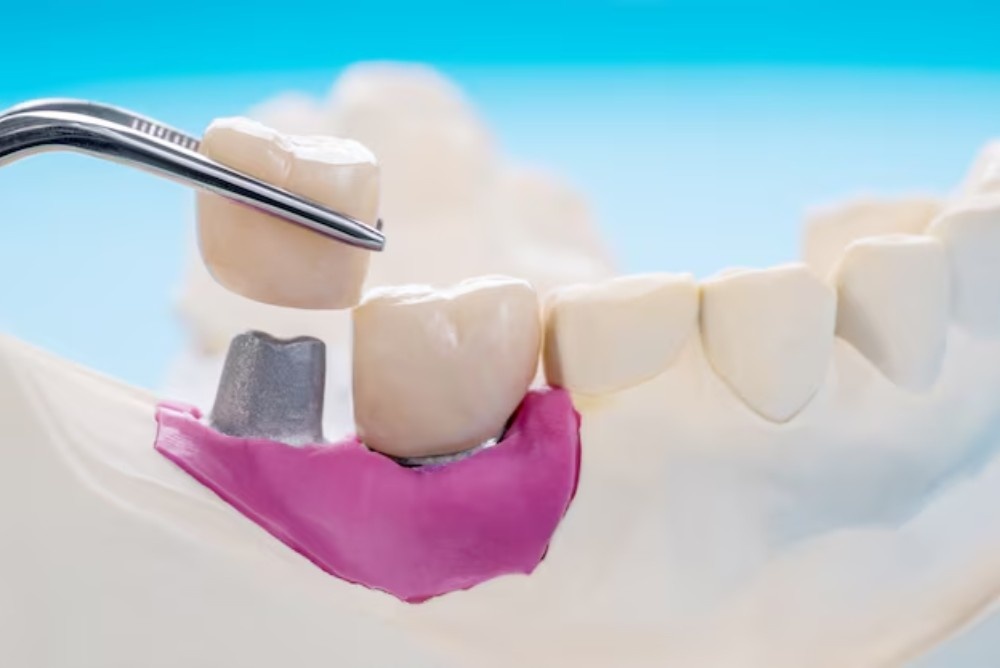
When a tooth becomes very weak or breaks, it needs extra support to stay functional. Getting dental crowns in Strathcona is a popular way to fix these issues so you can eat and smile without worry. A crown acts like a sturdy cap that sits over the top of your existing tooth to keep it safe from further damage. If you have been looking for dental crowns, understanding how they work and how to take care of them will help you feel much more comfortable during your visit.
What are Dental Crowns?
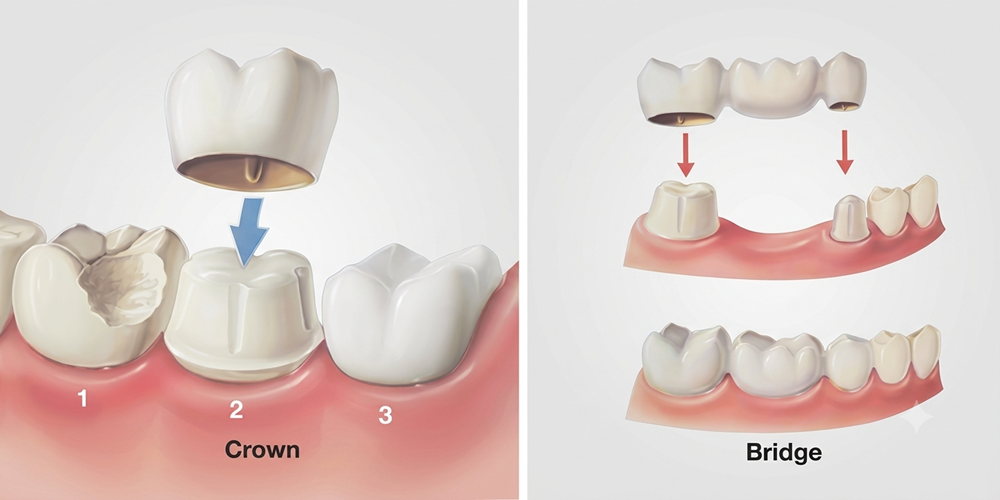
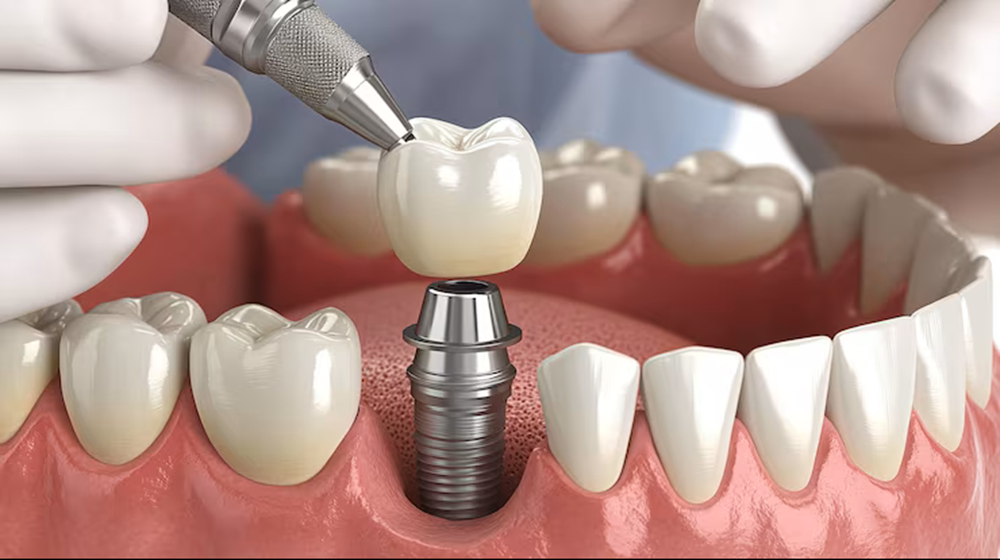
Many people start by asking, what are Dental Crowns? These are custom-made covers that fit perfectly over a tooth that has been damaged by a large cavity or a crack. A dentist uses them to restore the shape, size, and strength of a tooth that can no longer hold a regular filling. Once the crown is cemented into place, it becomes the new outer surface of your tooth, protecting the sensitive parts inside from germs and pressure.
What are the Different Dental Crowns Types?
There are several dental crown types available, depending on which tooth needs help and how much you want to spend. Each material has different benefits for your mouth.
- Porcelain or Ceramic: These are very popular because they can be matched to the exact colour of your other teeth. They are great for front teeth because they look very natural.
- Metal Alloys: These are often made of gold or silver-colored metals. They are incredibly strong and rarely chip, making them a good choice for back molars that do a lot of heavy chewing.
- Porcelain-Fused-to-Metal: This type has a metal center for strength and a porcelain outside for a better look.
- Zirconia: This is a newer, very tough material that is almost impossible to break but still looks like a real tooth.
How Does the Treatment Process Work?
Getting a new crown usually happens over two separate visits. During the first visit, the dentist will numb the area so you don’t feel any discomfort. They gently reshape the tooth by removing a thin layer of enamel so the crown can fit over it without feeling bulky.
Next, they take a digital scan or a mould of your tooth. This information is sent to a lab where experts build your custom crown. While you wait for the permanent one to be ready, you will wear a temporary plastic cover to keep your tooth safe. A few weeks later, you return to have the permanent crown glued into place. The team will check your bite to make sure everything feels balanced and comfortable.
Does Getting a Crown Hurt?
Most students and adults find that the process is very similar to getting a standard filling. The area is completely numbed before any work begins, so you shouldn’t feel anything sharp. After the numbing wears off, your gums might feel a little bit tender for a day or two, but this goes away quickly. If you feel nervous, you can always talk to the team about ways to help you stay relaxed while they work on your smile.
What is the Ideal Way to Care for Your New Crown?
Even though the crown itself cannot get a cavity, the natural tooth underneath it still can. Proper aftercare is the only way to make sure your investment lasts for a long time. You should treat your crown just like your other teeth by brushing and flossing every single day.
- Avoid Sticky Foods: Hard candy or very sticky snacks can sometimes pull a crown loose if you aren’t careful.
- Stop Biting Nails: Using your teeth as tools can chip the porcelain on your new crown.
- Use a Soft Brush: Scrubbing too hard can make your gums pull away from the base of the crown.
- Wear a Guard: If you grind your teeth at night, a night guard prevents the crown from wearing down too fast.
How Long Will a Dental Crown Last?
A well-made crown can stay in your mouth for ten to fifteen years, and sometimes even longer if you are very careful. The life of your crown depends on how well you clean around the gum line. If bacteria get trapped under the edge of the crown, the tooth inside can start to decay, which might cause the crown to fall off. Regular checkups allow a professional to see if the seal is still tight and if the bone around the tooth is healthy.
Can You Replace an Old Crown?
Yes, if an old crown starts to look dark at the edges or feels loose, it can be replaced with a brand-new one. Many people decide to swap out older metal versions for all-porcelain ones to make their smile look brighter. If you notice a crack or if your tooth starts to feel sensitive to cold drinks, it is a sign that the old crown is no longer doing its job. Replacing it early prevents the root of the tooth from getting infected.
Strengthen Your Smile
Do not let a broken or weak tooth keep you from enjoying your favourite foods. Our dentist near you is here to help you find the right dental crowns so you can restore your smile with a custom solution that fits your needs and budget. We focus on your comfort and make sure you understand every step of the process, so you can feel confident about your care.
Schedule your visit today at Strathcona Dental Choice to speak with our team about your options.
Frequently Asked Questions
Can a crown be placed on a tooth with a root canal?
Yes, this is very common. After a root canal, the tooth often becomes brittle and easy to break. A crown provides the extra strength needed to keep the tooth from snapping when you chew.
Is it hard to floss around a dental crown?
Not at all. You can floss just like normal. It is actually very important to floss right at the base of the crown to remove the plaque that likes to hide where the crown meets your gums.
What should I do if my temporary crown falls off?
If your temporary cap comes loose before your second appointment, call the clinic right away. They can usually put it back on quickly, so your tooth doesn’t shift or get sensitive while the permanent one is being made.
Will people be able to tell that I have a crown?
If you choose a porcelain or ceramic material, the crown will be colour-matched to your surrounding teeth. Most of the time, it is impossible for anyone else to tell which tooth is a crown and which one is natural.